
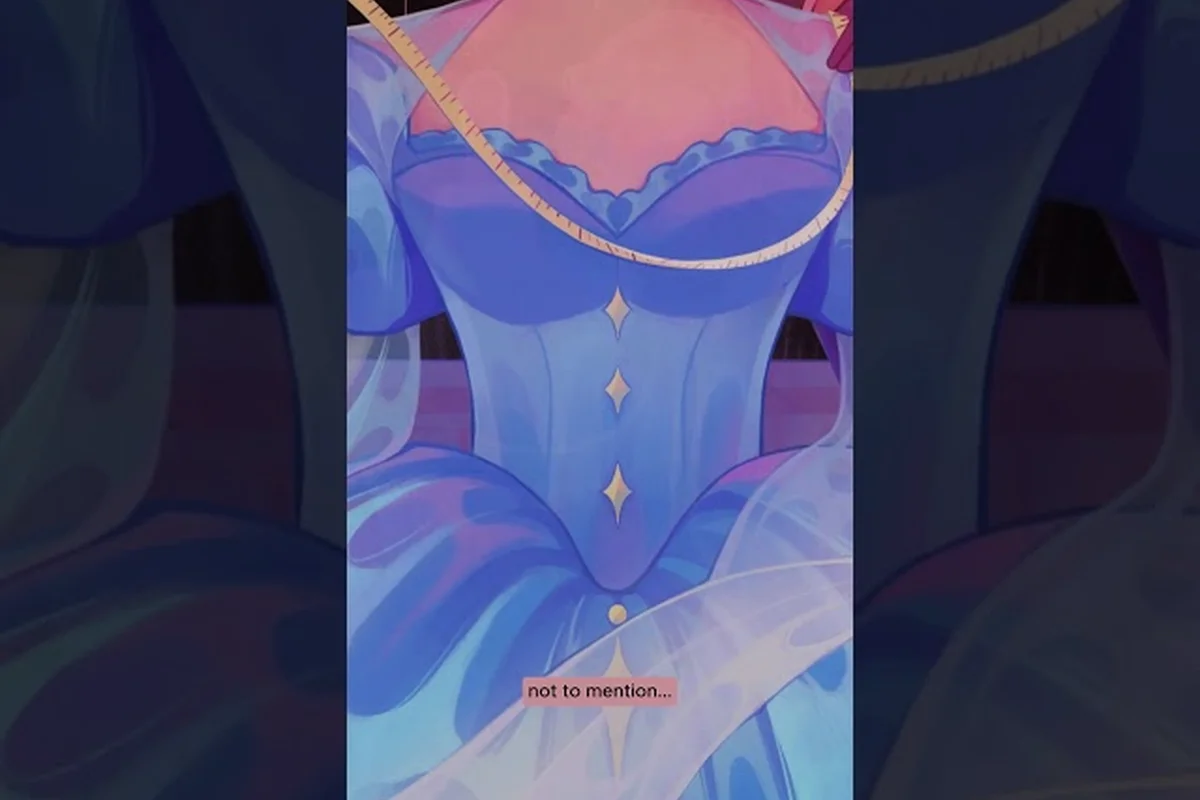
Sorting out Dressmaker coin sources early is what funds fabric restocks and machine upgrades before your boutique stalls mid-week. This comparison ranks each income stream so you know which ones pay fastest from the shop window and around town.
Where Dressmaker Coin Sources Come From
Money is the engine of every Dressmaker boutique. Fabric, buttons, lace, appliqué pieces, and upgrade kits for the sewing machine all pull from the same coin purse, so the faster you turn thread into inventory, the faster your town shop evolves from a starter corner into a full boutique. The two biggest income channels are commission payouts (customers paying you for finished garments tied to occasions on their social calendar) and shop window sales (off-the-rack designs you set on display for walk-in buyers). The official Dressmaker on Steam listing walks through that exact making loop: design in the sketchbook, arrange the paper pattern, cut panels, run them through the sewing machine, decorate, then either deliver to a commissioned client or stage the piece in the shop window.
The Free Lives press kit confirms the developer-publisher team behind the September 2026 release (developer Cozy Lives, publisher Free Lives, Windows/macOS, Unity engine) and notes that the design philosophy welcomes newcomers with no prior dressmaking experience — meaning the coin economy is intentionally layered, not punishing. A new player should expect four practical income streams during the opening week: (1) fulfilling customer commissions, (2) restocking the shop window, (3) running sketchbook experiments that occasionally unlock fabric-saving shortcuts, and (4) catching small coin pickups scattered through town. Each stream scales differently, so this guide ranks them by reliability, time investment, and coin-per-hour.
Commission Payouts vs Shop Window Sales
The first coin-source decision every player faces is whether to chase commissioned orders or fill the shop window with off-the-rack designs. Both are legit Dressmaker coin sources, but they reward different play styles. Commissions are tied to a customer's social calendar — a wedding, a festival, a royal visit — and the payout is negotiated up front, so the income is predictable if you can read fabric requirements correctly. Shop window sales are passive: once a dress is on the mannequin display and tagged in the boutique, walk-in customers browse and pay whenever the styling catches their eye, which means the coin trickle continues while you are sketching or delivering elsewhere.
| Income Source | Trigger | Payout Pattern | Best For |
|---|---|---|---|
| Commissioned Order | Customer requests outfit for a calendar event | Fixed lump sum, paid on delivery | Players who want predictable coin bursts |
| Shop Window Sale | Walk-in customer buys an off-the-rack dress | Variable, depends on fabric and decoration quality | Players who like passive trickle income |
| Sketchbook Practice Garment | Test design you decide to keep | Low to mid coin if you place it on the rack | Beginners testing silhouettes without wasting fabric |
| Restocked Off-the-Rack Garment | Replaces a sold dress in the window | Same as shop window sale | Players who want the window to feel "alive" |
The Dressmaker shop vs sketchbook comparison is really about the making side of income: the sketchbook is where you spend coins (fabric samples, appliqué, buttons, lace) and the shop is where you earn them back. A useful mental model is "the sketchbook is your cost center, the shop is your revenue center." If a test design flops in the sketchbook, do not throw it away — drop it in the boutique window. Even an imperfect practice piece can clear enough coin to cover the next fabric run, which keeps the making loop self-funding during the first few in-game days.
Players who want a deeper breakdown of sketchbook mechanics, mannequin previews, and the grain-versus-bias fabric choice can cross-reference the mannequin preview and sketchbook guide, which covers how cutting angles change panel behavior and how previewing on the mannequin before sewing prevents wasted fabric runs.
The Four Main Dressmaker Coin Sources Ranked
Ranking matters because new players have a finite amount of in-game time each day. Some streams give more coin per real minute, others give more coin per "dress" made, and the right blend depends on what your boutique currently needs. The following table stacks the four main coin sources by coin-per-dress, coin-per-minute, and risk of wasted fabric, which are the three numbers that actually decide what to prioritize.
| Rank | Coin Source | Coin / Dress | Coin / Minute | Fabric Risk |
|---|---|---|---|---|
| 1 | Commission Payout | High | High | Low (brief is fixed) |
| 2 | Shop Window Sale (mid-tier dress) | Mid-High | Medium | Medium (you pick the design) |
| 3 | Shop Window Sale (off-the-rack basic) | Low-Mid | Medium | Low (cotton / linen scraps) |
| 4 | Sketchbook Test Garment Sold on Rack | Low | Low | High (already spent fabric) |
Why Commissions Sit at the Top
A commissioned order is the highest-paying single delivery in the game because the customer has already committed to an event, and the design brief is part of the social calendar story. When a customer wants a "spring linen dress with green appliqué," you know the fabric, the color story, and the deadline before you cut a single panel. The risk of waste is lower because you are not experimenting — you are executing. According to the official store page, the five named fabrics (cotton, linen, wool, silk, velvet) each have different drape and sewing-machine behavior, so matching the customer's request to the right fabric is a big part of the payout. Silk and velvet commissions pay the most because they are harder to feed through the machine and easier to ruin on the cutting mat.
Why Shop Window Sales Still Matter
The shop window is the steady backbone of the boutique economy. When a commission slot is empty, the window keeps the coin trickle alive. A mid-tier dress on display — say, a wool skirt-and-blouse combo with two buttons and a bow — pulls a respectable sale every time a walk-in customer enters, and the design only needs to be made once before it can be restocked repeatedly. Players who treat the shop window as their "passive income slot" and commissions as their "burst income slot" tend to have the most stable early-game coin flow, which is also why the shop inventory and profit margins guide is a useful companion read for anyone tuning their boutique layout.
How to Restock the Shop Without Burning Fabric
Restocking the shop is the single most repeated action in any Dressmaker run, so doing it efficiently multiplies your coin-per-hour. The official store page describes the full making loop, but a few targeted habits save enough time and fabric to matter.
Build a Small Rotation, Not a Pile
A common beginner mistake is to dump every dress into the shop window and hope something sells. The boutique window has limited display space, and a cluttered mannequin rack actually makes walk-in customers hesitate, which lowers sell-through. A small rotation of three to five mid-tier dresses — varied in fabric, varied in color story — outperforms a packed window every time. Once a dress sells, restock with the same pattern using the same fabric so you are not re-inventing the design from scratch.
Match the Boutique's Tier
Each boutique tier attracts a different customer profile. Early in the game, a basic cotton or linen rotation moves quickly because walk-in customers are locals shopping for everyday outfits. After upgrading to a luxury boutique tier, the same cotton dress sits on the rack and does nothing — those customers want silk, velvet, and elaborate appliqué. Reading the boutique tier and adjusting fabric choices accordingly is the difference between an empty window and a sold-out one. This is where the Dressmaker town shop guide view of who actually walks through the door becomes useful, because town NPCs and their social-calendar obligations hint at which fabric is about to spike in demand.
Reuse Decorations Between Designs
Buttons, bows, appliqué, and lace trims are expensive relative to fabric. The same set of decorations can dress up a wool dress, a cotton summer dress, and a silk evening gown if you plan the color palette around shared trim colors. Buying decorations in batches of three or four complementary colors — rather than one of every color — keeps the shop window visually varied without inflating the trim budget, and it raises the perceived value of every dress on display. Players report that reusing a "hero decoration set" across five consecutive designs raises the average sale price noticeably compared with mixing random trims each time.
Where to Find the Town Shop and How Location Affects Income
The town shop is not just a backdrop — its location changes who walks in and what they are willing to pay. A boutique tucked next to the town square sees festival traffic, while a boutique near the residential lane sees everyday locals. The official press kit notes that the world is built around real-world dressmaking inspiration, so neighborhoods, social calendars, and the cat (yes, the cat can be petted) all tie into the same gentle simulation loop. Players who relocate their boutique to a higher-traffic district typically report a noticeable lift in shop window sales within an in-game week, especially during festival days when commissioned orders also spike.
| Boutique Location | Customer Profile | Best Garment Mix | Income Character |
|---|---|---|---|
| Town Square | Festival-goers, tourists, event planners | Bright cotton, linen, festive appliqué | High volume, mid coin per dress |
| Residential Lane | Locals, daily errands, school events | Wool, cotton, practical buttons | Steady volume, low coin per dress |
| Noble District | Royalty, formal events, wealthy patrons | Silk, velvet, lace trims | Low volume, very high coin per dress |
| Market Street | Mixed crowd, hagglers, browsers | Mid-tier everything | Variable, depends on display |
A practical Dressmaker boutique guide habit is to relocate at least once per in-game season, because the customer mix shifts with the social calendar. A boutique that thrived during the spring festival will feel slow once the royal calendar takes over, and a residential lane shop becomes a gold mine during back-to-school weeks. Players who coordinate boutique location with commission deadlines tend to keep the coin flow stable even when one channel dips.
When to Lean on the Sketchbook vs the Shop
The Dressmaker shop vs sketchbook tradeoff comes up every time you finish a delivery. Do you keep the test design on the mannequin for a future commission, sell it off the rack, or scrap it? Three quick rules of thumb keep the decision honest:
-
Keep the design in the sketchbook when the silhouette is unusual (asymmetric hem, dramatic collar, layered appliqué) and a future commission brief might match it. Sketchbook saves cost only fabric samples, not full bolts, so keeping a high-potential design parked is cheap.
-
Sell it off the rack when the design uses cheap fabric (cotton, linen) and the decoration budget was low. The coin earned is roughly equal to the fabric cost, which is fine because it recycles the budget for the next commission.
-
Scrap it only when the sewing-machine outcome was visibly wrong — puckered seams, mismatched grain, buttons that refused to seat. Those dresses look bad in the window and lower the boutique's reputation with walk-in customers, so they are a net loss on display.
Reading the boutique's reputation meter matters here, because reputation is the hidden multiplier on every coin source. A high-reputation boutique sees more walk-in customers, pays out slightly more per commissioned order (according to community testing), and unlocks better fabric discounts at the town supplier. If the reputation meter is dipping, switch one full in-game day to shop window restocking with safe mid-tier designs and skip risky sketchbook experiments for a while. Players who want a refresher on how reputation and first commissions interact can cross-check the first commission and reputation guide for the opening sequence.
Coin Sources Through the First Three In-Game Weeks
The opening stretch of Dressmaker is where coin sources shift the most, because the boutique tier, the customer mix, and the fabric catalog all expand at the same time. The following timeline is built from community reports and the official gameplay loop, and it shows what to prioritize each week so coin income compounds rather than stalls.
| In-Game Week | Main Coin Source | Secondary Source | Watch Out For |
|---|---|---|---|
| Week 1 | Tutorial commissions (fixed payout) | Cotton / linen off-the-rack sales | Don't waste silk on practice runs |
| Week 2 | First social-calendar commissions | Shop window restocking with wool | Boutique tier upgrade cost spike |
| Week 3 | Festival commissions (burst income) | Window sales in town square location | Fabric restock trip, trim budget tight |
By the end of week 3, a balanced player typically has three reliable income streams running in parallel: one active commission slot, a small shop window rotation, and a sketchbook with two or three "parked" designs ready for matching briefs. That balance is the goal state for any Dressmaker coin sources strategy, and every later system (luxury boutique upgrade, royal commissions, seasonal events) layers on top of it rather than replacing it.
Players who want extra coin-farming efficiency during week 2 should also revisit their sewing-machine timing. The measuring and fitting guide covers how to feed panels through the machine faster and how to read measurement cues before cutting, both of which reduce wasted fabric and therefore protect the coin budget on every restock run.
A Stable Income Routine for New Players
A short, repeatable daily routine tends to outperform "play it by ear" for the first in-game month, because it keeps every coin source active without over-investing in any single one. The following sequence is what most experienced players settle into after a few resets:
-
Open the day by checking the commission board. Pick the highest-paying brief that matches a fabric you already own, and slot that as the day's primary task.
-
Run one sketchbook practice garment using cheap fabric if the day's commission is locked in. The practice garment either becomes a shop window candidate or gets scrapped.
-
Restock the shop window with one mid-tier dress before opening the boutique for walk-in customers. A freshly stocked window pulls more sales than a stale one.
-
Deliver the commission in the afternoon, then close the day with a quick town loop to check the social calendar for the next event.
This routine touches every Dressmaker coin source — commissions, sketchbook experimentation, shop window sales, and town location scouting — in under one in-game day, which means the boutique's reputation and coin reserves both grow at a steady clip without forcing the player to grind any single channel.
Frequently Asked Questions
What is the fastest Dressmaker coin source in the first week?
Tutorial commissions are the fastest, because they pay a fixed lump sum on delivery and the brief is simple. Pair each tutorial delivery with a cheap cotton off-the-rack dress in the shop window, and the boutique earns from two channels at once.
Should I prioritize commissions or restock the shop window?
Prioritize commissions during festival weeks and restock the shop window during quiet weeks. Commissions are burst income, shop window sales are passive income, and the best boutique routines blend both so a slow commission day is cushioned by walk-in sales.
How do I unlock the luxury boutique tier?
You need a combination of high reputation, consistent commission deliveries, and enough coin in reserve to cover the upgrade cost. Players report that reaching tier 3 requires roughly three in-game weeks of balanced commission and shop window income, plus at least one full festival cycle.
Does boutique location really change coin income?
Yes, the town shop location affects which customer profile walks in, and that profile changes what they are willing to pay. A noble-district boutique sells fewer dresses but at much higher coin per dress, while a market-street boutique sells more dresses at a lower coin per dress.
Is it ever worth selling a sketchbook test garment?
Selling a sketchbook test garment off the rack is worth it when the fabric cost was low and the decoration budget was minimal. It recycles coin back into the boutique and keeps the window fresh, but it should never replace a properly designed shop window piece on busy days.