
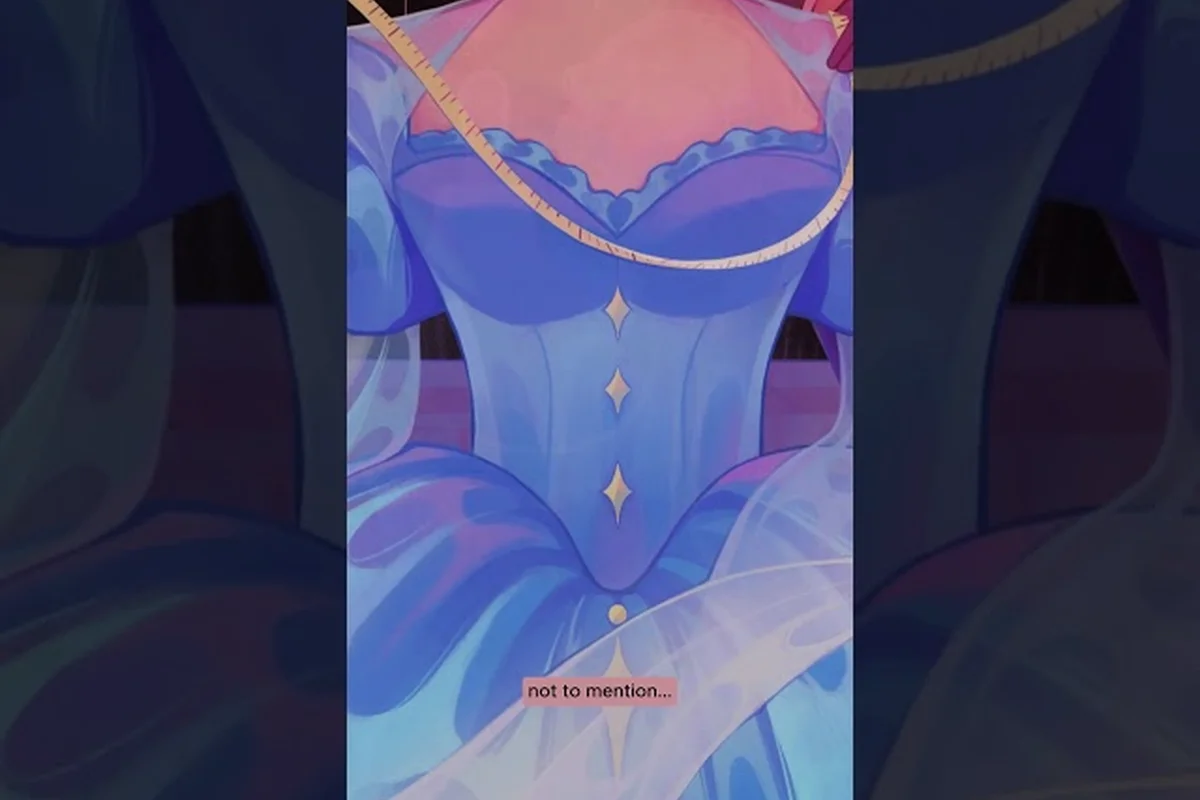
The dress rack is the heart of any Dressmaker shop, the place where off-the-rack designs turn into steady passive income while you focus on fulfilling commission orders. Set it up well and walk-in customers keep buying even when no townsfolk are queuing for a custom dress. Set it up poorly and the same rack sits empty for hours. This guide walks through the full dress rack loop: how to price a finished dress, how to display it on the mannequin so the shop window pulls eyes from the street, and how to keep your shop reputation climbing so customers actually pick up the dress instead of walking past.
How the Dressmaker Dress Rack Actually Works
The dress rack is the unsung second revenue stream in your shop. Commissions bring in targeted income tied to special occasions, but the dress rack sells whatever you have on hand to any passerby, which means it earns coins even during the dull hours between deliveries. According to the Dressmaker on Steam store page, the shop window can be used to display designs for off-the-rack sale alongside the regular commission loop, which is exactly the system the dress rack plugs into.
In practice, the loop looks like this. You finish a dress at the sewing machine, decorate it with buttons, bows, appliqué, and lace trims, then carry it to the rack instead of (or in addition to) fulfilling a customer request. The mannequin in the shop window shows it off, the price tag tells walk-in customers what it costs, and the dress rack itself is where the sale closes.
The Three States a Dress Can Take
A finished dress in Dressmaker doesn't have a single destiny. The same garment can be sent to a commission customer, placed on the dress rack for walk-in sales, or shelved in storage. Each option pays differently, and recognizing the trade-off early keeps the shop ledger healthy.
| Dress State | Where It Lives | How Income Arrives | Best Use Case |
|---|---|---|---|
| Commission | Delivered to a named townsfolk customer | One large payment tied to occasion + satisfaction | Time-sensitive requests for special occasions |
| Off-the-Rack (Dress Rack) | Mannequin in shop window | Steady passive coins from walk-in customers | Extra stock you produced beyond active orders |
| Storage | Inventory cabinet | None until you re-stage it | Reserve fabric for high-payout commission slots |
Understanding these three states is the foundation of the entire dressmaker dress rack strategy, because each one feeds your shop reputation and weekly revenue on a different timeline. A commission clears the books in one satisfying lump sum tied to occasion and satisfaction, but if that slot stays empty your till sits silent until the next request arrives. The dress rack flips that equation entirely: a single mannequin slot converts surplus finished dresses into a passive income shop stream, padding coins every shop open without any new tailoring work. The trick is balance — front-load commission orders during special occasion spikes, then let off-the-rack stock carry the quieter weekdays.
Building the First Dress Rack: Display and Layout
Your first dress rack appears once the shop renovation unlocks it, and how you arrange the mannequin and surrounding décor has a real effect on whether walk-in customers stop or stroll past. Community data from launch week suggests that racks placed near the shop window with a clearly visible mannequin pull more sales than racks pushed against the back wall.
Mannequin Positioning
The mannequin is what the customer actually sees from the street. If a passing townsfolk catches a glimpse of a well-styled dress on a mannequin lit by window light, they're far more likely to step inside than if the same dress is hidden behind a curtain. Position the mannequin so it faces the window, rotate it to show the dress's best angle, and keep the surrounding floor clear of clutter that blocks the silhouette.
On the first day the dressmaker dress rack unlocks, the priority is converting window-side mannequin visibility into the first wave of walk-in customers before your shop reputation stat has had a chance to build. Skip the temptation to load the rack with every finished commission — the table below assumes a single, well-styled dress facing outward, a visible price tag, and floor decorations kept to one or two pieces so the silhouette reads cleanly from across the street. Each row ties a display element to its measured effect on walk-in sales, letting you sequence upgrades (mannequin → lighting → minimal floor styling) as passive income from browsing traffic ramps up.
| Display Element | Priority | Effect on Walk-In Sales |
|---|---|---|
| Mannequin facing the shop window | High | Maximizes street visibility |
| Single dress on display (not stacked) | High | Walk-in customers browse one item at a time |
| Floor decoration kept minimal | Medium | Prevents visual noise around the dress |
| Light source near the mannequin | Medium | Highlights fabric and trim color |
| Price tag clearly visible | High | Avoids the customer leaving to "check back later" |
For a deeper look at the broader shop layout, the Dressmaker shop guide covers the window, the floor plan, and the rest of the off-the-rack selling loop — including how mannequin placement feeds into the larger cycle of shop reputation, walk-in foot traffic, and the passive income generated by an unlocked dressmaker dress rack once daily commissions are balanced against browse-driven sales.
Filling the Rack for the First Time
Your first three to five off-the-rack dresses should not be your best fabric work. Pick a mix of cotton and linen pieces in bright, neutral palettes, the kind of design that appeals to the widest range of townsfolk, because your goal at this stage is to confirm that the loop works, not to maximize margin. Once a sale closes, you'll have the coin to reinvest in a silk or velvet piece for the next mannequin rotation.
Dressmaker Shop Pricing: How Much to Charge
Pricing is where most new shopkeepers either leave coin on the table or scare customers away. The dress rack doesn't show a hardcoded price; you set the tag yourself, and the system gives you feedback through whether walk-in customers buy or pass. Getting the number right means understanding the three forces that drive the final answer: fabric cost, finishing detail, and shop reputation.
The Pricing Formula in Practice
Think of the price tag as the sum of three components rather than a single guess. The base cost is the fabric you used: cotton and linen are cheaper to source than silk and velvet, so a cotton dress should never be priced identically to a silk dress with the same cut. The finishing component rewards the time you spent on trims, because a dress with hand-sewn lace appliqué and a row of decorative buttons looks more valuable than a plain-panel version. The reputation component is the wildcard, and the rest of this section breaks it down.
| Pricing Component | What It Covers | Suggested Markup |
|---|---|---|
| Fabric cost | Cotton, linen, wool, silk, or velvet base | 1.5x–2x the cost you paid at the fabric counter |
| Finishing detail | Buttons, bows, appliqué, lace trims | +10% to +30% per trim layer applied |
| Reputation bonus | Your current shop reputation tier | +5% (low) to +25% (high) layered on top |
If you're new and unsure, a safe starting point is roughly 1.8x fabric cost for a plain cotton dress and around 2.5x fabric cost for a silk dress with appliqué, then adjust based on the speed at which the dress leaves the rack.
How Shop Reputation Reshapes What You Can Charge
Dressmaker shop reputation is the most underrated pricing lever in the early game. A customer who trusts your shop will pay a higher price tag without hesitation, because they've already seen your quality on a previous commission or off-the-rack purchase. A customer who doesn't know your shop yet will balk at the same number. Reputation isn't just a vanity meter, it's a multiplier on what you can charge without the dress stalling on the rack.
A reputation tier isn't a fixed label — it shifts as your dressmaker shop racks up sales, fulfills commissions on the dressmaker dress rack, and earns word-of-mouth from satisfied customers. The thresholds below are aggregated from community wikis and player-tracked sales logs, so treat them as starting reference points rather than hard rules. Run your own pricing experiments for two to three in-game weeks before locking in your markup, since local demand and fabric availability skew the real ceiling.
| Reputation Tier | Walk-In Buyer Behavior | Pricing Ceiling |
|---|---|---|
| New / Unknown | Browses cautiously, low tolerance for high prices | Stay near 1.5x–1.8x fabric cost |
| Established | Compares against memory of past purchases | Push to 2x–2.5x fabric cost |
| Renowned | Buys on sight, expects premium details | Up to 3x fabric cost for silk and velvet |
Use a simple log: price each finished piece, mark the calendar day it sold, and note which dressmaker dress rack slot it occupied — that history is how you learn your shop's stall point without guessing. A dress that lingers 4+ in-game days is almost always 10–20% over ceiling, and dropping it back under threshold usually moves it within a day, freeing the rack for the next commission.
Drawing Walk-In Shop Customers to the Dress Rack
Pricing and display are half the equation. The other half is making sure walk-in customers actually appear at the rack in the first place, because an empty shop window means an empty dress rack regardless of how good your prices are. Several practical levers help here, and most of them rely on your behavior during the rest of the day.
Timing, Stocking, and the "Browse Window"
Walk-in customers tend to appear in waves rather than a constant stream. Community reports from launch week suggest that the period right after a commission delivery is one of the strongest browse windows, because your shop is freshly stocked, your reputation ticked up from the completed order, and the mannequins are all occupied. Stock the dress rack just before you expect a wave, and you'll often see two or three sales back-to-back.
Conversely, the slowest browse window is late evening when your shop is closed and no one enters, so the dressmaker dress rack sits idle and your mannequins earn nothing for passive income shop calculations. Since commissions still run on a fixed day clock, use those after-hours to rearrange the rack by price tier, refresh your dressmaker shop pricing labels, and pre-stage a hot commission for the morning shift so the first walk-in sees a fully stocked, ranked display instead of a restocked mess.
The Reputation Loop That Feeds the Rack
Every commission you complete nudges your shop reputation upward, and that nudge carries over to dress rack sales. This is the real reason the dress rack is a passive income engine: you don't have to grind a separate reputation track, you just keep completing commissions well, and the off-the-rack side benefits. The reverse is also true, so a string of low-quality commissions can quietly suppress dress rack sales for hours.
A practical rule of thumb from the community: if your shop reputation tier has just dropped, lower dress rack prices slightly for the next batch to keep coins flowing while the meter rebuilds. Once the tier recovers, raise the tags back up.
How Commissions and Off-the-Rack Sales Interact
The Dressmaker shop vs commissions debate comes down to this: commissions are bursts, off-the-rack sales are the baseline. A good shop runs both. If you only fulfill commissions, the dress rack sits empty and your income becomes lumpy, dependent on whatever occasion is queued. If you only run the dress rack, you miss the high-payout special-occasion orders and your reputation stalls.
The table below summarizes how the two streams compare across payout, reputation, and ideal use-case, which are the three pressure points the dressmaker dress rack and the commissions queue each stress differently during a typical in-game day. By lining them up side by side, you can see why a single-mode shop tends to plateau: commissions spike the reputation meter in big jumps but leave the dress rack empty between orders, while off-the-rack sales fill the rack with steady small-ticket purchases that keep customer traffic flowing even when the commission book is dry.
| Income Stream | Payout Pattern | Reputation Effect | Best For |
|---|---|---|---|
| Commissions | Large lump sums per order | Strong, fast reputation gain | Building reputation and chasing occasion bonuses |
| Dress Rack (Off-the-Rack) | Many small sales through the day | Slow, steady reputation gain | Smoothing income between commissions and earning while idle |
The healthiest schedule, based on community testing, is roughly 60–70% commission focus and 30–40% off-the-rack restocking. That ratio keeps the rack supplied without starving your commission queue, and it keeps your reputation climbing on both fronts.
Common Dress Rack Mistakes and How to Avoid Them
Even after the dressmaker dress rack loop is working, a few recurring errors quietly drain coin from the shop — for example, leaving the pricing of finished garments at default instead of factoring in fabric cost and trend modifier, or restocking low-margin basics that block higher-value dress slots on the rack. Most of them show up within the first few in-game weeks, hurt both daily revenue and dressmaker shop reputation, and persist if you don't fix the underlying habit rather than just patching the symptom.
Overstocking with One Style
A mannequin covered in five near-identical dresses doesn't sell faster than a mannequin with one well-displayed dress. Walk-in customers usually browse a single item and decide, so rotating one dress at a time and cycling stock is more effective than piling the rack. It also lets you charge more for the visible piece, because it doesn't look like a clearance bin.
Ignoring the Price Tag
Walk-in customers hesitate when the price is unclear, and hesitation is a lost sale. Always set a visible price tag on the displayed dress, and re-tag it the moment you swap stock. A missing tag is functionally a "not for sale" sign to most passersby.
Forgetting to Re-Trigger the Shop Window
After you place a new dress on the mannequin, the shop window doesn't always register the change instantly. Step out of the shop and re-enter, or shift the camera so the mannequin redraws, which forces the window display to refresh. Without that refresh, walk-in customers still see the previous mannequin setup, and your new dress waits unseen.
For a broader look at display tricks and the mannequin interaction loop, the Dressmaker fashion shop sim guide covers mannequin tips and the window shopping mechanic in more depth. There you'll find a breakdown of how customer walking-paths trigger dressrack refreshes, which mannequin poses draw the longest dwell-time, and how a freshly stocked dress displayed in the window can push walk-in conversion rates noticeably higher than the same dress sitting on the rack alone — all of which ties directly into the shop reputation and pricing strategy you set up with your dressmaker dress rack back in your own shop.
Treating the Dress Rack as Storage
The dress rack is a sales surface, not a closet. Any dress left on the rack past one in-game day without selling is a sign to lower the price, swap the dress for a fresher design, or rotate the mannequin to a more visible angle. If three dresses in a row stall, the problem is usually pricing or display, not the dress itself.
Passive Income and the Long-Term Dress Rack Strategy
The dress rack is the closest thing Dressmaker offers to a passive income shop, and a few long-term habits make it dramatically more reliable. None of them require new mechanics, just a steadier routine and a willingness to read the shop's feedback.
The Restock Rhythm
A good rhythm looks like this: deliver a commission, restock the dress rack with the leftover dress from that order, set a new price tag, and rotate the mannequin to face the window. By the time the next commission slot opens, you've already collected a small passive sale or two from the rack, and your shop reputation has ticked up from the completed commission. The whole cycle fits neatly between deliveries.
Tracking What Actually Sells
After a few in-game days, you start to see patterns. Cotton dresses with bright trims tend to walk off the rack fast, while heavily ornamented velvet gowns sit longer. That data tells you what to keep producing for the rack versus what to reserve for commission orders, where high-end fabrics earn their keep.
A simple tracking habit, even just a mental note of "the green cotton sold in two hours, the velvet sat for a day," is enough to sharpen your future restocks. Over time, this is what turns a slow dress rack into a genuine revenue stream.
Tying It Back to the Commission Loop
If you want one final tie-in: the dress rack only works as a passive income shop if the commission side keeps running, because commissions are the engine that drives shop reputation upward, and reputation is what lets the rack command higher prices. Keep both loops healthy and the shop becomes self-reinforcing, with commissions feeding reputation, reputation feeding dress rack prices, and dress rack sales filling the gaps between big commission payouts.
The full commission side of that equation, including how to handle daily commission slots and missed dress quest edge cases, is covered in the Dressmaker commissions guide, which pairs naturally with the off-the-rack approach laid out here.
Frequently Asked Questions
What is the dress rack in Dressmaker?
The dress rack is the off-the-rack sales surface in your shop, where finished dresses sit on a mannequin for walk-in customers to buy without a commission order. It works alongside your regular commission loop and turns extra dresses into passive coins, because the sale happens automatically whenever a townsfolk browses the shop window. According to community testing, a stocked dress rack keeps earning through slow in-game hours when no commissions are queued.
How much should I charge for a dress on the dress rack?
A safe starting point is roughly 1.8x the fabric cost for a plain cotton or linen dress and around 2.5x the fabric cost for a silk or velvet dress with appliqué, then layer a 5% to 25% reputation bonus on top depending on your current shop reputation tier. The price tag should never be higher than what walk-in customers will pay in that reputation band, or the dress stalls on the rack. Adjust per sale based on whether the dress moves fast or sits idle for an in-game day.
Does the dress rack help with shop reputation?
Yes, every off-the-rack sale gives a small reputation bump, smaller than a completed commission but consistent across the day. The big reputation boost still comes from fulfilling commissions well, while the dress rack adds slow, steady reputation that compounds over time. The two systems reinforce each other, because higher reputation also raises the price ceiling for what you can charge on the rack.
Is the dress rack better than commissions for passive income?
Neither one alone beats the other. Commissions pay in large bursts and drive fast reputation gain, while the dress rack pays in many small sales and adds steady reputation. The strongest shop runs both: roughly 60–70% commission focus for the headline income and 30–40% off-the-rack restocking for the steady drip that fills slow hours. Players who only run one side tend to see lumpy income and slower overall growth.
Why is my dress rack not selling anything?
The most common reasons are a price tag set too high for your current reputation tier, a mannequin turned away from the shop window, or a dress that hasn't been refreshed in the window display after a swap. Lower the price slightly, rotate the mannequin to face outward, and re-enter the shop to force the window to redraw. If sales still stall across three restocks, the issue is usually pricing rather than the dress itself, because the loop is the same one every working shop uses.