
Shop
Master the Dressmaker shop: window displays, off-the-rack sales sourced from surplus commissions, and reinvesting coin into premium fabrics for future work.
Introduction
The shop is where Dressmaker's loop converts creativity into currency, reputation, and new material to work with. A shop window displays ready-made designs to anyone passing by, turning your best finished garments into silent salespeople that represent your style to the whole town. Off-the-rack sales move surplus stock directly: pieces you have already completed, beyond what a commission required, can sit in the shop and earn coin without another sewing session. One community report even suggests off-the-rack sales can interact with pending commissions, so players hedge by checking active orders before listing extras. Coin earns its keep through reinvestment: premium fabrics and richer materials cost more, and cycling earnings back into better cloth raises the ceiling on future garments. Taken together, display, sales, sourcing, and reinvestment form a compact retail economy that keeps every delivery feeding the next design.
Shop Loop Breakdown
| System | How it works | Strategy note |
|---|---|---|
| Shop window | Displays ready-made designs to the passing town | Refresh after every delivery so new work always leads the showcase |
| Off-the-rack sales | Sells available surplus directly for coin | Check pending commissions first — community reports suggest sales can interact with open orders |
| Stock sourcing | Draws inventory from surplus commission garments | Keep a small buffer of finished extras so the rack never sits empty |
| Reinvestment loop | Turns coin into premium fabric for future commissions | Maintain a working reserve before upgrading to luxury materials |
Store Systems
Shop Window
A passive showroom that puts your ready-made designs on display for the whole town to browse between commissions.
Off-the-Rack Sales
Direct retail of ready stock that turns completed surplus garments into coin without another trip to the sewing machine.
Stock Sourcing
Inventory drawn from surplus commission garments, so every item on the rack traces back to work you actually made.
Reinvestment Loop
The rhythm of spending earned coin on premium fabric so each round of commissions can outdo the last one.
Core Mechanics
The shop operates as both showroom and storefront. Finished garments that you choose to stock appear in the shop window, where they advertise your aesthetic to the town between commissions. Off-the-rack sales then convert available surplus into coin, with stock drawn primarily from garments left over after deliveries rather than pieces specially manufactured for retail. That surplus-first sourcing keeps inventory meaningful: every item on the rack is something you actually made. Reinvestment closes the loop, since coin can be spent on premium fabric and nicer materials that feed back into higher-end commissions. Reputation runs in parallel with coin, so a healthy shop supports both economic and social growth at once.
Advantages
The shop gives surplus garments a second life, which means a slightly overbuilt commission is never pure waste. Window displays let your work sell your reputation passively; even when no customer has a specific brief ready, the town keeps seeing what you can do. Reinvesting coin into premium fabric creates a satisfying progression curve, because nicer materials visibly enable more ambitious designs in the next round of commissions. Stock sourced from your own completed pieces keeps the retail layer honest — the rack always reflects your actual output rather than a random assortment. The dual economy of coin plus reputation also gives short sessions a purpose: one delivery can fund fabric while also nudging standing in town.
Challenges
The retail layer carries some uncertainty because community reports, not official documentation, describe certain behaviors — most notably the claim that off-the-rack sales can affect pending commissions. That rumor alone can make players cautious about listing surplus, since nobody can verify whether a shop sale will complicate an active order. Premium fabric pricing also pressures early economies; reinvesting too eagerly into expensive materials can leave you short on coin when a better opportunity appears. Window displays offer limited control over who sees what, so your best pieces may sit unnoticed while you wait for taste and stock to align. Finally, because stock comes from surplus, quiet periods with no leftover garments can make the shop feel dormant right when you want it busiest.
Frequently Asked Questions
What does the shop window actually do?+
Where does off-the-rack stock come from?+
How should I spend the coin I earn?+
Quick Tips
Refresh the window after every delivery. When a garment finishes, decide quickly whether it belongs in the shop window or should be held for parts and surplus. A habituated display check takes seconds, keeps the storefront visually current, and ensures your latest fabric and decoration choices are what the town sees when it wanders past your shop between commissions.
Hedge before you list surplus. Community reports suggest off-the-rack sales can touch pending commissions, so before moving extras onto the rack, review which orders are still open and what garments they expect. Keeping commissioned work clearly separate from retail stock avoids awkward conflicts and preserves your reputation. This is a reported behavior rather than documented mechanics, but the check costs a moment and removes most of the risk.
Cycle earnings into premium fabric deliberately. After each sales window, set aside a slice of coin specifically for upgraded materials like finer silk or plush velvet, and leave the rest untouched as reserve. When a commission arrives that clearly rewards luxurious cloth, you will already be funded and can commit confidently. This paced reinvestment avoids the trap of spending everything at once and then stalling when a better opportunity shows up.
Featured
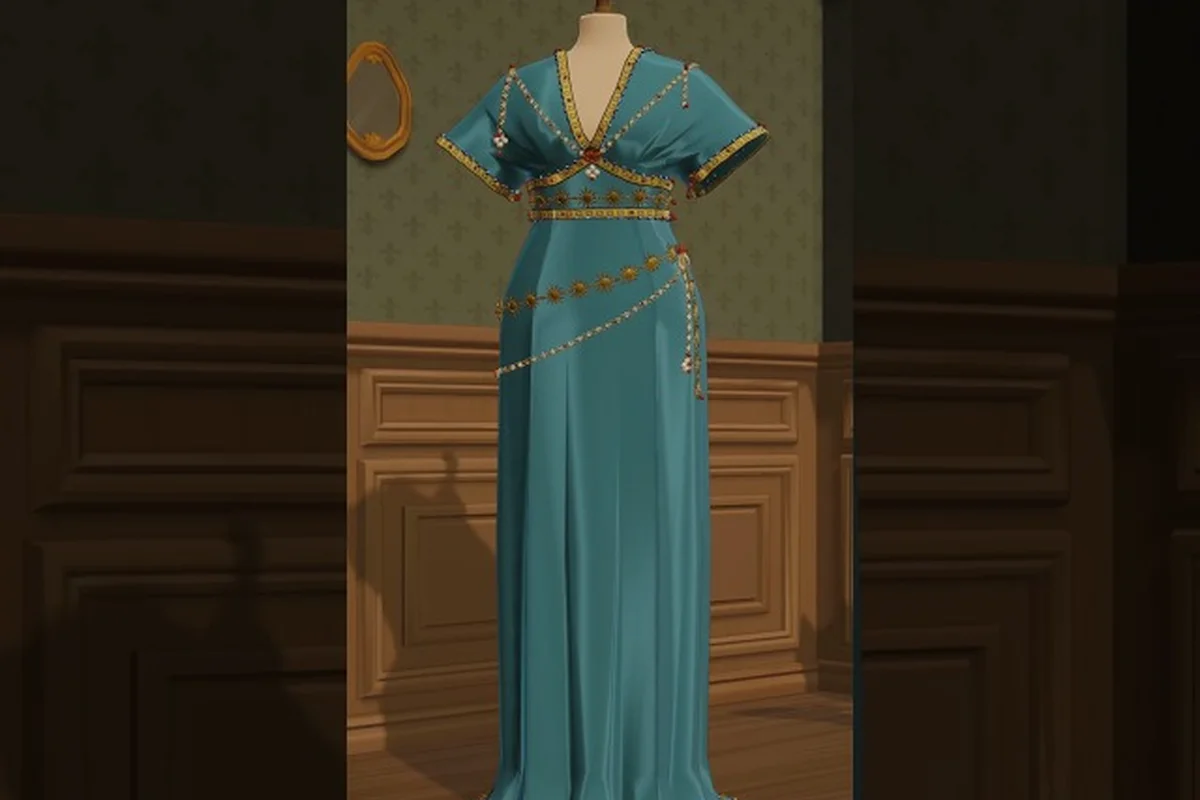
Dressmaker Fashion Shop Sim: Run the Boutique & Automate Sales
Master the Dressmaker fashion shop sim layer with mannequin rotation tips, off-the-rack selling workflow, and proven workarounds for the vanishing-commission bug.
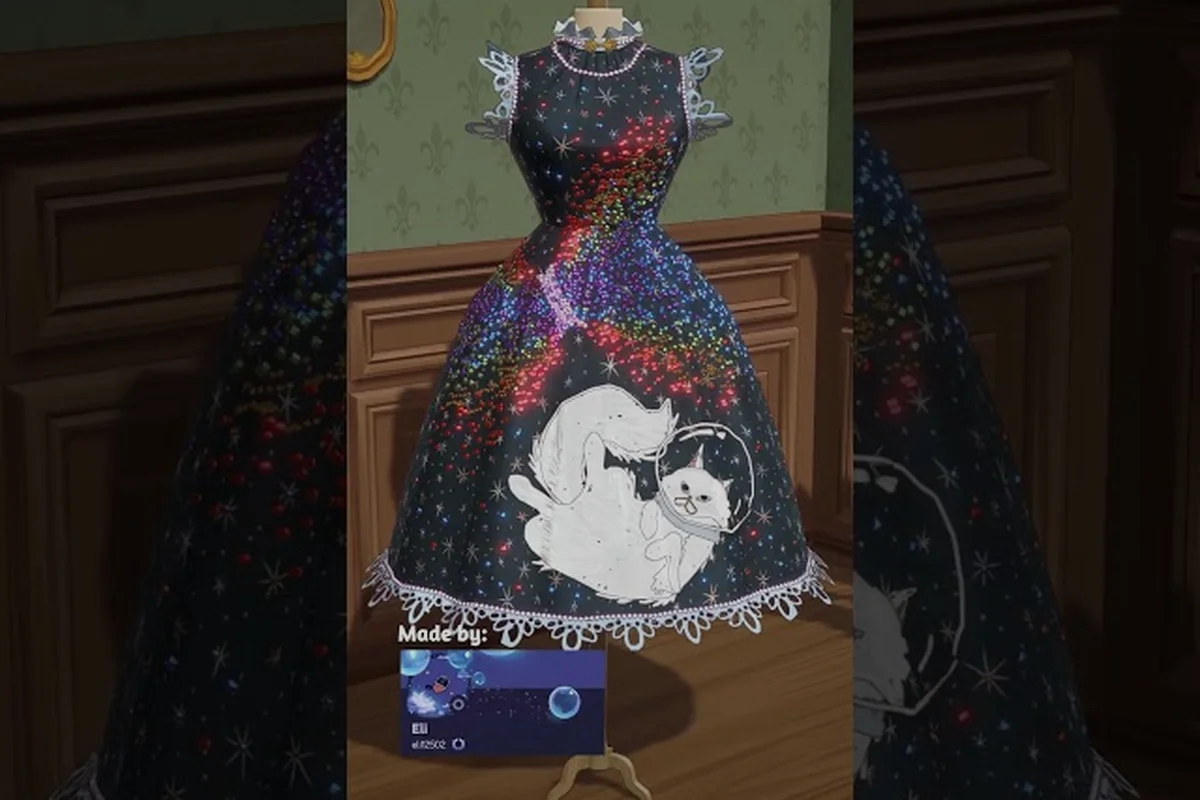
Dressmaker Sell Pre-Made Dresses: Stock the Rack & Earn Coin
Learn how to sell pre-made dresses in Dressmaker — price your stock, style mannequins, and turn off-the-rack inventory into steady passive boutique income.

Dressmaker Shop Guide: Run Your Boutique From Day One
Master the Dressmaker shop guide loop — set prices on the dress rack, display mannequins, restock inventory, and turn commissions into steady boutique income.
All Articles

Dressmaker Dress Rack: Price, Display & Sell Off-the-Rack
Set up your Dressmaker dress rack with smart pricing, eye-catching mannequin displays, and a layout that pulls walk-in customers into steady shop income.

Dressmaker Shop Inventory Limit: Slots, Margins & Goals
Plan around the Dressmaker shop inventory limit — learn display slot caps, profit margins per dress tier, and which shop goals to chase first for sustainable growth.
Dressmaker Shop Unlocks: Expansion, Display Slots & Earnings
Track every Dressmaker shop unlock from display slot expansion to rotating stock — see which upgrades raise earnings and the best expansion order.
Dressmaker Coin Sources: Fastest Income From Shop & Town
Compare every Dressmaker coin sources side by side — shop sales, commission payouts, sketchbook crafting, and restock tips for the fastest early game income.