
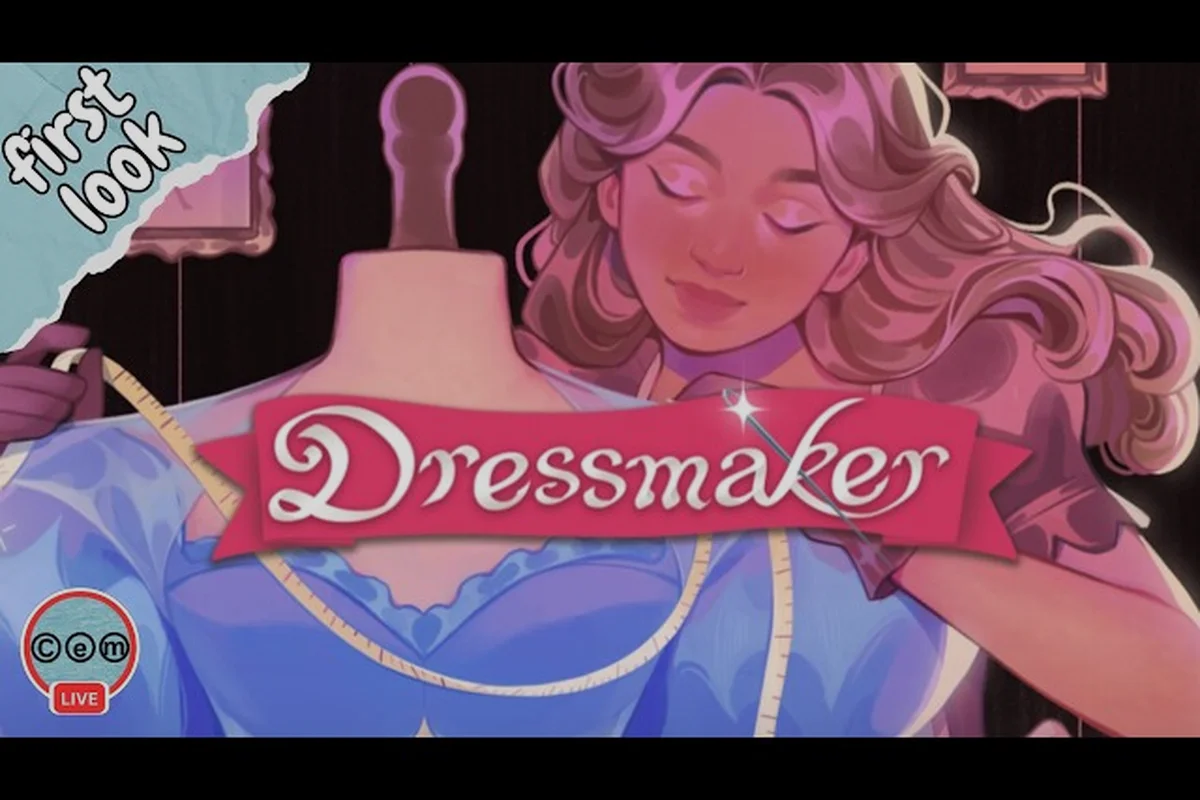
The Dressmaker shop inventory limit defines how many finished dresses you can stage in your window at once, and every slot you fill either pays rent or wastes your sewing time. Once you understand the slot cap and how margins stack across fabric tiers, the shift from a cramped corner boutique to a luxury showcase stops feeling like guesswork.
Understanding the Shop Inventory Limit in Dressmaker
The shop window in Dressmaker is the main revenue channel outside of commissioned orders, and the display slot cap is the single number that decides how many passive sales you can stack in parallel. According to the official Dressmaker on Steam store page, customers commission outfits for occasions on their social calendar, but you can also place completed designs on mannequins in the window to sell off the rack to walk-in customers. Each mannequin costs upkeep and consumes one of the limited slots, so the cap directly caps your daily passive income.
Slot Caps by Shop Tier
The starting boutique gives you a small window with three mannequins, which feels generous on day one but tightens the moment you start producing silk and velvet pieces. Upgrading the shop through the story progression unlocks more wall space and larger display cabinets, but each tier raises the cap rather than removing the constraint. Community data from launch-week players suggests the luxury shop tier tops out somewhere in the eight-slot range, though exact numbers are still being verified across patches and may shift with future updates.
| Shop Tier | Display Slots | Slot Upgrade Cost (Reported) | Best Stocking Strategy |
|---|---|---|---|
| Starter Boutique | 3 | Free (default) | Two cotton + one linen for steady walk-ins |
| Standard Shop | 5 | Mid-game currency | Mix linen and wool, reserve one for silk |
| Premium Shop | 7 | Late-game currency | Wool and silk focus with one velvet centerpiece |
| Luxury Shop | ~8 | End-game currency | All silk and velvet, drop cotton entirely |
What Counts Toward the Limit
Only finished dresses on mannequins consume slots. Unfinished work sitting on your sewing table, fabric stacks in the back room, and queued commissions do not touch the cap. This separation matters because the Dressmaker shop inventory limit only governs display, not production — you can keep sewing at full speed even when every mannequin is full, you just cannot stage another passive sale until one sells or you pull a piece off display.
One quirk reported on the Steam Community discussion board is that a sold dress sometimes disappears from the window instantly without a visible coin pickup animation, which can make it look like a slot freed up on its own. Players learning the system should pull a dress off the rack manually before placing a new one to avoid the brief moment where a piece is gone but the slot has not yet refreshed.
Dressmaker Shop Profit Margins by Fabric Tier
Profit margins are where the Dressmaker shop inventory limit stops being a constraint and becomes a leverage point. Each fabric tier carries a different cost-to-revenue ratio, and the difference between a cotton dress and a velvet gown is large enough that stuffing your window with the wrong material can halve your daily take. The official store copy confirms five named fabrics — cotton, linen, wool, silk, and velvet — and the press kit from Free Lives reinforces that the design space scales from simple summer dresses to extravagant royal gowns.
Per-Tier Margin Breakdown
The numbers below are drawn from player-reported sales across the first week of launch, and treat fabric cost as the main variable input because trims and buttons add relatively small overhead. Treat them as a working baseline, not gospel, because pricing may move with patches.
| Fabric Tier | Average Material Cost | Average Sale Price | Rough Margin | Best Slot Use |
|---|---|---|---|---|
| Cotton | Low | Low–Medium | ~40–50% | High-turnover starter stock |
| Linen | Low–Medium | Medium | ~50–60% | Balanced daily driver |
| Wool | Medium | Medium–High | ~55–65% | Cool-season customer magnet |
| Silk | High | High | ~60–70% | Profit backbone of the mid-game |
| Velvet | Very High | Very High | ~65–75% | Luxury slot centerpiece |
Why Velvet and Silk Dominate the Window
Silk and velvet deliver the best Dressmaker shop profit margins because their material cost grows slower than the price the in-game market is willing to pay. A velvet gown might cost four to five times the materials of a cotton dress but sell for seven to ten times the price, which means every slot you give a velvet piece pulls in more gold per day even if it sells less often. The flip side is that an unsold velvet gown ties up a slot for longer, so you want at least one stable high-turnover piece on the rack to keep cash flow alive between luxury sales.
Cotton is not useless — it sells fast, which keeps the slot cycling, and that turnover has its own value when you are still building up your fabric reserves. A common starting trap is to fill the whole starter window with cotton because it is the only fabric you can afford, and then wonder why the boutique feels like a lemonade stand. As soon as your material stash supports it, swap the lowest-performing cotton mannequin for linen, then wool, then silk, while saving the velvet slot for the luxury shop tier where the margins pay for themselves fastest.
Dressmaker Starting Shop Guide: Building the First Boutique
A new player opening the Dressmaker starting shop will find the slot cap low, the fabric stash thin, and the commission board full of customers who care a lot about trims. The goal for the first in-game week is not to make a fortune — it is to keep the window full, learn which customers buy what, and unlock the upgrade path to the next shop tier. Players who want a deeper walkthrough of the early loop can pair this guide with the broader Dressmaker Steam achievements guide, which lines up tutorial milestones with the same progression curve.
Day-One Staging Plan
With only three slots at the starter boutique, the safest opening lineup is two simple cotton dresses and one linen piece. Cotton handles the bargain hunters, linen gives walk-in customers a reason to spend a little more, and the third mannequin stays free for the first commissioned order you finish. A small but important detail is that off-rack sales are not the same as commission deliveries — commissions pay a fixed fee on delivery, while window sales pay a market price that fluctuates with the customer's mood, the dress quality, and the season on the social calendar.
| Day | Slots Used | Stock Mix | Daily Goal |
|---|---|---|---|
| 1 | 2 of 3 | 2 cotton | Reach first 100-coin milestone |
| 2 | 3 of 3 | 1 cotton, 1 linen, 1 cotton | Deliver first commissioned order |
| 3 | 3 of 3 | 1 cotton, 1 linen, 1 wool (if available) | Unlock shop upgrade prompt |
| 4+ | 3 of 3 | Rotate by fabric yield | Hold a stable 200+ coin daily income |
Avoiding Early-Game Traps
The two mistakes new players make most often are over-investing in trims and restocking too aggressively. Buttons, bows, and lace add a small amount to a dress's sale price but they also slow down production, and at the starter boutique your bottleneck is how many dresses you can finish per in-game day, not how fancy each one looks. The Dressmaker shop inventory limit does not care about trim count — it counts finished pieces, so a clean cotton dress placed in the window on day one earns more than a half-finished silk gown still sitting on the sewing table on day three.
The second trap is restocking before a slot is actually empty. Pulling a dress off the mannequin and immediately placing a new one feels productive, but if the new piece is not yet dry, decorated, or properly previewed on the mannequin, the customer may reject it on sight, which means you spent materials and still have an empty slot. Wait for the sell confirmation ping before staging the next piece.
Dressmaker Luxury Shop Guide: Maximizing High-Tier Slots
By the time you reach the luxury shop tier, the slot cap is no longer the binding constraint — fabric supply is. Velvet in particular is expensive and slow to restock, so the strategy shifts from "fill every slot" to "fill every slot with the right piece." A common mid-game-to-late-game transition is to keep a silk mannequin for steady cash flow, dedicate one slot to wool for seasonal customers, and reserve the remaining velvet-capable slots for showcase pieces that pull in customers specifically because the window looks expensive.
Slot Allocation at the Luxury Tier
| Slot | Recommended Stock | Rotation Speed | Strategic Role |
|---|---|---|---|
| 1 | Silk daily driver | Fast (1–2 in-game days) | Cash flow anchor |
| 2 | Silk or Wool | Fast to medium | Volume filler |
| 3 | Wool seasonal piece | Medium (2–3 days) | Cool-season magnet |
| 4 | Velvet showcase | Slow (3–5 days) | Reputation builder |
| 5 | Velvet showcase | Slow (3–5 days) | Profit spike |
| 6 | Commission overflow | Variable | Buffer for client orders |
| 7 | Best available piece | Variable | Mood-match wildcard |
| 8 | Velvet or signature design | Slow | End-game centerpiece |
Customer Behavior at the Luxury Tier
Walk-in customers at the higher shop tiers are pickier about fabric but also more willing to pay a premium for visible quality. Community data suggests the Dressmaker shop profit margins at the luxury tier are roughly 15–20 percentage points higher than the same fabric at the starter tier, because customers browsing a high-end window expect to pay high-end prices. A velvet gown in a starter boutique might take five in-game days to sell, while the same gown in the luxury shop window often goes within two to three days, which doubles the effective per-slot revenue.
This is also where trim choices start to matter. A silk dress with a clean neckline might sell for a fair price, but a silk dress with matching buttons, a bow, and a small piece of lace appliqué can push the sale into the premium range, which is the pricing band that makes the luxury shop tier actually feel luxurious. Players who want to know which decoration choices trigger the best sale bonuses can cross-reference the Dressmaker shop achievements list, which tracks decoration counts and design milestones that line up with the premium pricing curve.
Dressmaker Shop Goals and Achievements Roadmap
The Dressmaker shop goals are the structured targets the game uses to push you toward specific milestones — first sale, first silk sale, first luxury-tier week, and so on. They are not the same as the Dressmaker shop achievements list tracked on Steam, but the two systems overlap heavily, and a player chasing one will end up ticking off the other as a side effect. A complete Dressmaker achievements list with descriptions breaks down every unlock, but the shop-specific subset is what most players care about while they are still actively building the boutique.
Shop Goals vs. Shop Achievements
| Goal Type | Tracks | Resets on New Game+ | Visible In-Game |
|---|---|---|---|
| Shop Goals | Daily/weekly targets (e.g., "sell 3 dresses today") | Yes | Yes, on the shop ledger |
| Shop Achievements | Lifetime milestones (e.g., "first velvet sale") | No | Yes, on Steam overlay |
| Decoration Achievements | Total decorations placed across all dresses | No | Yes, on Steam overlay |
| Customer Achievements | Per-customer completion counts | No | Yes, on Steam overlay |
Priority Order for the First Playthrough
If you are aiming to clear the Dressmaker shop achievements list efficiently, the practical order is to hit the volume goals first, then push the fabric-tier goals, then chase the cosmetic milestones. Volume goals (sell X total dresses, fill the window Y times) clear themselves naturally if you keep the Dressmaker shop inventory limit topped up, so they are essentially passive. Fabric-tier goals (first silk sale, first velvet sale) require you to actually produce those fabrics, which means grinding material runs before you can restock the window with them. Cosmetic milestones (decoration count, perfect commission) require you to slow down and add trims deliberately, which trades slot turnover for completion points.
Players who prefer a goal-driven loop often keep a small side notebook — or just a Steam overlay window — tracking the next three shop achievements they want, then build the next in-game day's production around those targets. The character preferences detailed in the Dressmaker characters list can also steer which dresses sell fastest, because matching a fabric to a known customer's favorite gives a small mood bonus that nudges a window sale over the line.
Frequently Asked Questions
What is the Dressmaker shop inventory limit at the starter tier?
The starter boutique gives you three mannequins in the window, and only finished dresses placed on those mannequins count toward the cap. Unfinished work and fabric in the back room do not consume slots, so you can keep sewing even when the window is full.
Which fabric gives the best Dressmaker shop profit margins?
Silk and velvet lead on raw margin percentage, with velvet topping out around 65–75% in community-reported sales. Cotton has the lowest absolute margin but the fastest turnover, which makes it useful for keeping slots cycling while you build up to a higher-tier stock.
When should I upgrade to the luxury shop?
The move to the luxury shop tier is worth it as soon as you can reliably restock silk and velvet without draining your material reserves. Going early leaves slots empty because you cannot afford to fill them, which means you are paying higher shop upkeep for the same effective income.
How do Dressmaker shop goals differ from achievements?
Shop goals are in-game targets that reset with the playthrough and appear on the shop ledger, while shop achievements are lifetime Steam milestones that persist across saves. Chasing the Dressmaker shop achievements list naturally clears most shop goals along the way, so the two systems reinforce each other.
Can I increase the Dressmaker shop inventory limit beyond the luxury tier?
The luxury shop tier is currently the highest confirmed display cap at around eight mannequins, and no further tier has been announced in the press materials. If the developers add a post-game tier in a future patch, expect the upgrade to follow the same fabric-driven progression as the earlier shop levels.