
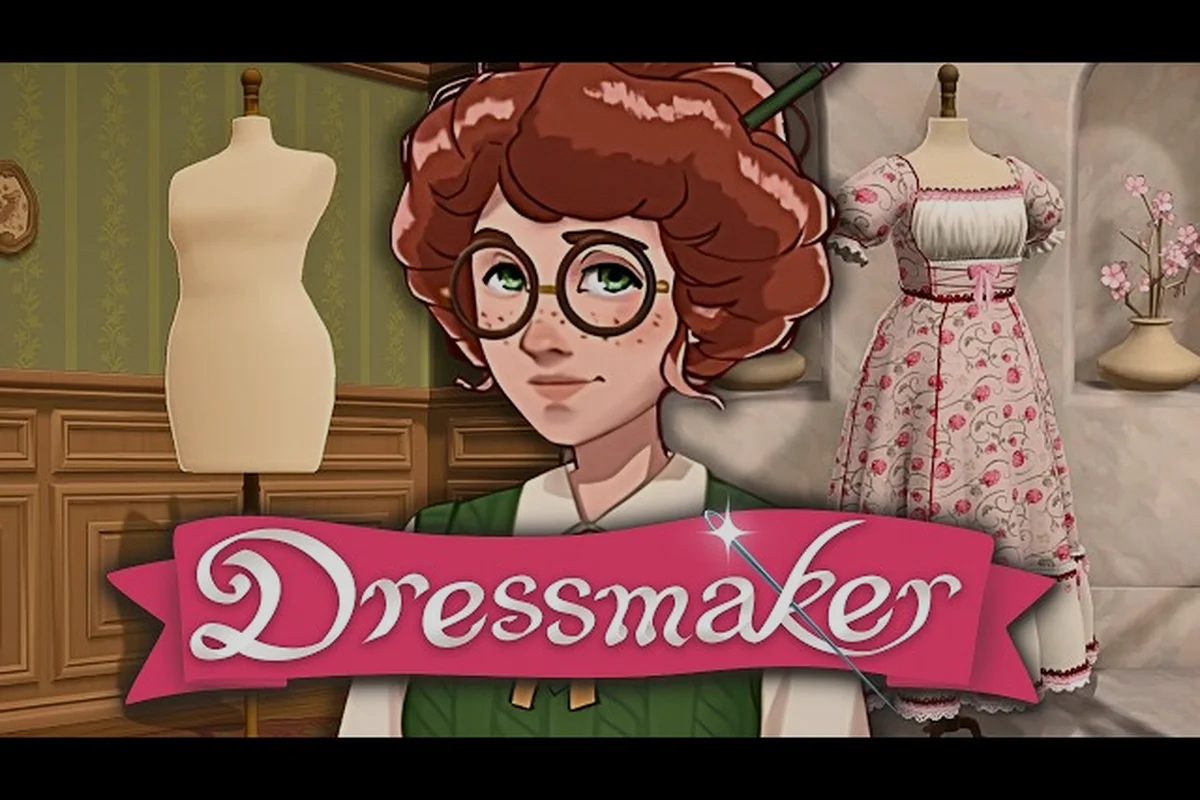
Picking the right fabric is the single biggest lever you can pull in Dressmaker, and most new players burn through bolts of cotton and silk without realising the finished dress will swing wildly depending on which material you feed through the sewing machine. According to the Dressmaker on Steam store page, five named fabrics sit at the heart of the making loop — cotton, linen, wool, silk, and velvet — and every commission, mannequin preview, and shop window display reacts to the material you choose. This guide walks through Dressmaker fabric recommendations by quality and feel, then layers in fabric cutting tips and fabric management habits that stop you from haemorrhaging bolts when a tricky pattern arrives.
If you are still finding your feet with the sketchbook → cutting table → sewing machine → trim loop, the Dressmaker beginner guide covers the full production flow before you start worrying about which bolt to grab first. Once you know the loop, the fabric question becomes the real game.
Dressmaker Fabric Quality Differences Across the Five Core Materials
Every fabric in Dressmaker carries its own quality tier, drape behaviour, and finished-look modifier, so swapping cotton for velvet on the same pattern can flip a customer's reaction from lukewarm to thrilled. The official Dressmaker press kit frames the game as inspired by real-world dressmaking, and the in-game cloth behaves accordingly: lighter weaves breathe and feel casual, heavier weaves hold their shape and read as formal or luxurious.
Cotton, Linen, and Wool: The Workhorse Trio
Cotton, linen, and wool are the materials you will stock first because they are forgiving to cut, predictable on the mannequin, and affordable to replace when a commission goes wrong. They sit at the entry-to-mid quality range and form the backbone of most everyday commissions.
-
Cotton — soft hand, matte finish, and the most forgiving material for pattern placement mistakes. It photographs cleanly on the mannequin preview and rarely surprises you with unexpected drape.
-
Linen — slightly crisper than cotton, holds a sharper crease along pleats and collars, and is the preferred material for summer commissions where the customer wants a clean, breathable silhouette.
-
Wool — heavier, warmer, and noticeably more structured. Wool panels keep their shape through the sewing machine, which makes it ideal for fitted bodices and outerwear-shaped commissions.
Cotton, linen, and wool are also the easiest fabrics to recover from when your cutting layout is poor, because their offcuts can usually be pressed and re-cut into smaller pattern pieces such as cuffs, collars, pocket facings, or lining panels for follow-up orders. A 20 cm scrap from a cotton dress layout, for example, is often enough to piece a child's bodice, and leftover wool strips frequently resurface as trim or button bands on later commissions — turning a 5–10% layout loss into usable yardage for the next week.
Silk and Velvet: The Premium Pair
Silk and velvet sit at the premium quality end of the spectrum. They cost more per bolt, but they also raise the perceived value of the finished dress dramatically, which matters for off-the-rack sales through the shop window. Customers who walk in expecting an extravagant evening gown almost always gravitate toward these two materials in the sketchbook.
| Fabric | Quality Tier | Drape Behaviour | Best Commission Type | Waste Risk |
|---|---|---|---|---|
| Cotton | Entry | Soft, neutral | Everyday wear, casual daywear | Low |
| Linen | Entry-Mid | Crisp, breathable | Summer dresses, light blouses | Low-Medium |
| Wool | Mid | Structured, warm | Fitted bodices, formal daywear | Medium |
| Silk | Premium | Fluid, glossy | Evening gowns, bridal commissions | High |
| Velvet | Premium | Heavy, light-catching | Royal events, display pieces | High |
The five named fabrics appear consistently across the Dressmaker on Steam store description and the official Dressmaker website, so you can treat this five-material roster as the canonical fabric list rather than hoping for more types to show up later.
How Fabric Changes the Finished Dress in Dressmaker
A common surprise for new players is that the same paper pattern produces wildly different customer reactions depending on the bolt you cut it from. Dressmaker uses fabric as a primary modifier on the finished dress, not just a background texture, so understanding how each material reshapes the silhouette is part of any serious Dressmaker fabric recommendations plan.
Drape, Sheen, and Customer Reaction
Three visual qualities drive most of the difference in customer satisfaction: drape, sheen, and structure. Silk gives you a fluid, glossy drape that flatters flowing skirts and bias-cut gowns. Velvet has the opposite personality — heavy, light-catching, and structured — so it flatters formal pieces where you want the fabric to hold its shape. Wool behaves like a tailoring material, lifting collars and holding waist seams; cotton and linen sit somewhere in between, with linen skewing crisper than cotton.
If you want the customer's reaction meter to lean positive, match the fabric's personality to the occasion on their social calendar. A summer garden party in the sketchbook wants linen or lightweight cotton; a royal evening event wants silk or velvet. The wrong pairing does not fail the commission outright, but it caps the reaction meter and reduces the tips and shop reputation you earn from the sale.
How the Sketchbook, Mannequin, and Sewing Machine React
The making loop in Dressmaker exposes fabric at every step, and each stage reinforces the material's identity: a cotton swatch viewed in the Sketchbook behaves nothing like the same bolt once it meets the Mannequin's drape preview, and again nothing like it does on the Sewing Machine's feed rate. That compounding effect is precisely why early dressmaker fabric recommendations hinge on reading the brief first — choosing wool for a structured coat, for instance, locks in heavier grain alignment, slower stitch timing, and a more forgiving silhouette on the mannequin long before any thread is cut.
-
Sketchbook — fabric samples let you preview the colour and texture before you commit, so a quick toggle between cotton and velvet often reveals which one matches the commission brief.
-
Paper pattern stage — heavier fabrics like wool and velvet leave less room for error on grain alignment, while lighter fabrics tolerate slight bias deviations.
-
Mannequin preview — drape, silhouette, and colour reading are visible here, which is your last chance to swap fabrics before cutting.
-
Sewing machine — premium fabrics (silk, velvet) are slower to feed through and demand steadier timing, but the finished stitch quality is visibly higher on the mannequin.
When you stack these stages together, the fabric you choose at the sketchbook effectively decides the rest of the commission's rhythm. This is why the Dressmaker fabric management conversation is really a conversation about reading the brief before you ever pick up the shears.
Dressmaker Fabric Cutting Tips to Reduce Waste
Even with a perfect material match, poor cutting layout can shred a bolt faster than a difficult pattern will. The five named fabrics each have a personality on the cutting mat, and the dressmaker fabric cutting tips that work for cotton often backfire on velvet. Building a habit around fabric waste reduction early saves bolts, saves money, and lets you accept more commissions from the side-quests board.
Pre-Cut Planning for Each Material
Before you snap the first piece of fabric with the shears, run a quick pre-cut check. Players who treat cutting as a single click rather than a layout decision tend to overcut by 20-30% on premium fabrics, which is brutal when the bolt is expensive.
| Tip | Cotton/Linen | Wool | Silk | Velvet |
|---|---|---|---|---|
| Pre-sort panels by size | Group small panels together | Group by grain | Group by grain strictly | Group by grain, mind nap direction |
| Mind the grain arrows | Loose tolerance | Strict | Very strict | Strict, plus nap |
| Offcut reserve | Save 10% strip | Save 15% strip | Save 20% strip | Save 25% strip |
| Test scrap first | Optional | Recommended | Strongly recommended | Strongly recommended |
If you are still learning how to read grain arrows and place pattern pieces, the Dressmaker pattern placement tutorial breaks down the cutting mat side of the loop in detail. Treating layout as a planning step rather than a reaction step is the single biggest dressmaker fabric waste reduction habit you can build.
Fabric Management Habits That Compound
Dressmaker fabric management is mostly a discipline problem, not a knowledge problem. Players who run out of premium fabric mid-commission usually had a usable offcut two commissions ago but treated it as scrap. A few small habits make the difference between a stocked shop and a bare one:
-
Stack offcuts by fabric and size instead of dumping them in a single bin. A 10×10 cm silk square is enough for a small appliqué piece on a future commission.
-
Reserve a "test scrap" from every new bolt before you start a major commission. Test stitching on the scrap catches tension problems before they ruin a full panel.
-
Mark the grain on leftover panels with a quick sketchbook note, so the next time you reach into the offcut stack you already know the orientation.
-
Rotate the bolt you cut from when you have more than one of the same fabric, so a single bad cut does not destroy your only premium source.
-
Keep one full bolt of each tier reserved for emergency commissions, so a sudden royal-event request does not strip your everyday stock.
The "test scrap" habit alone is responsible for most of the dressmaker fabric waste reduction results reported by experienced players on the Dressmaker Steam Community Guides hub, where English-language coverage is still thin and tips like this are gold.
Matching Fabric to Commission Brief and Shop Strategy
Picking the right fabric is half quality match and half business sense, because the same bolt that delights a customer also feeds your off-the-rack shop window. Treating fabric selection as a strategic choice rather than a reactive one turns Dressmaker fabric recommendations from a defensive guide into an offensive one.
Reading the Commission Brief for Fabric Hints
Every commission in Dressmaker arrives with at least a hint of the occasion — garden party, formal dinner, royal gala, casual outing, or seasonal event. That hint, combined with the customer's stated preference in the sketchbook, tells you which fabric tier to reach for.
| Occasion Hint | Recommended Fabric | Quality Tier | Why It Works |
|---|---|---|---|
| Casual daywear | Cotton or linen | Entry | Breathable, forgiving, affordable |
| Summer event | Linen | Entry-Mid | Crisp, light, clean silhouette |
| Formal daywear | Wool | Mid | Structured, holds fitted seams |
| Evening gown | Silk | Premium | Fluid drape, glossy finish |
| Royal / extravagant | Velvet | Premium | Heavy, light-catching, statement-making |
A useful Dressmaker fabric management habit is to keep at least one bolt of each tier stocked at all times. When a commission brief arrives that does not match your current stock, the cost of buying a new bolt is almost always lower than the cost of disappointing a customer and losing shop reputation.
Using Premium Fabrics for Shop Window Sales
The off-the-rack shop window in Dressmaker lets you display finished designs to passing townsfolk, and fabric choice is one of the strongest signals for whether a piece sells or sits. Cotton and linen pieces move quickly because they look affordable and wearable; silk and velvet pieces sit longer but command a higher sale price when they do move, which is exactly what you want for a slow afternoon. The shop window and the daily commission board pull from the same fabric pool, so the smart play is usually to fill commissions with the fabric the customer asked for, then funnel the leftover premium offcuts into display pieces.
When you start building a deliberate shop window rotation, the Dressmaker shop window guide covers display placement, off-the-rack pricing, and how to rotate stock so the same dress does not get stale on the mannequin. Pairing that with disciplined Dressmaker fabric management upstream is how the best-run shops stay profitable.
Building a Sustainable Dressmaker Fabric Management Routine
The final layer of Dressmaker fabric recommendations is workflow. Players who treat fabric as a resource rather than a one-off input consistently out-produce players who grab whichever bolt is closest to the cutting mat. A sustainable routine blends material knowledge, cutting discipline, and shop strategy into a single repeating loop.
A Repeatable Daily Fabric Routine
Before you ever touch a commission, run a one-minute sweep of every bolt on the rack: note which dressmaker fabrics feel unusually dry, which show fold creases from improper storage, and which are running below the threshold needed for a full-length gown. This quick morning habit — paired with the closing stock check — is what catches the bolt you forgot you pre-cut from yesterday, the silk that arrived with a visible slub, and the lining you over-pulled during last week's rush job, long before a client is waiting in the fitting room.
-
Audit your bolt stock by fabric type and tier so you know what you have before the commissions board refreshes.
-
Review the day's commission briefs and flag any that need a premium fabric you are low on.
-
Pre-cut a layout sketch for any complex commissions so you walk to the cutting mat with a plan instead of improvising on the bolt.
-
Pull offcuts into a reserved tray for the day's small appliqué and trim work, instead of reaching back into full bolts.
-
End the day with a stock check again, and queue any fabric purchases for the morning before tomorrow's refresh.
This routine is not glamorous, but it is the backbone of serious dressmaker fabric management and the reason experienced players rarely run out of silk or velvet at the worst possible moment. Catching a brittle silk bolt or a moth-frayed velvet roll on the morning sweep means a replacement can be queued before the commissions board refreshes, instead of triggering a mid-build panic that forces a downgrade to a lower-tier fabric and a matching quality hit on the finished gown. The evening recheck closes the loop by flagging any offcut tray overflow that signals your cutting plan is over-generating scrap, which is where most dressmaker fabric waste reduction opportunities actually live, hidden between bolts rather than on the cutting mat.
Common Fabric Pitfalls and How to Avoid Them
Every Dressmaker player makes the same handful of fabric mistakes early on, and recognising them early shortens the learning curve dramatically. The pattern stage is where most fabric damage happens, so the Dressmaker bodice pattern guide is a useful companion when you are cutting structured pieces.
-
Cutting premium fabric with a casual layout — velvet and silk punish sloppy placement. Always respect the grain arrows and the nap direction on velvet.
-
Ignoring the mannequin preview — the mannequin is your last free chance to swap fabrics before the cut. Skipping it is the single most expensive habit in the game.
-
Treating all fabrics as interchangeable — cotton and linen are forgiving, but the same pattern in wool or velvet behaves very differently on the mannequin.
-
Selling premium pieces at cotton prices — if you cut velvet, price the dress like a velvet dress. The shop window rewards confident pricing.
-
Letting the offcut bin overflow — a full offcut bin is wasted material, not a messy desk. Sort and reserve weekly.
Once you internalise these habits, fabric stops feeling like a constraint and starts feeling like a tool. That is the real goal of any Dressmaker fabric recommendations guide: not telling you which bolt to pick, but teaching you to read the brief, the mannequin, and the cutting mat as a single decision.
Frequently Asked Questions
Which fabric in Dressmaker is best for beginners?
Cotton is the strongest starting fabric because it is forgiving on the cutting mat, predictable on the mannequin, and affordable to replace when a commission goes wrong. Linen is a close second once you are comfortable reading grain arrows, and both are safe staples while you learn the making loop.
How does the fabric I choose change the finished dress in Dressmaker?
Fabric acts as a primary modifier on the finished dress through drape, sheen, and structure. Silk gives a fluid, glossy silhouette that flatters evening gowns, velvet adds weight and light-catching depth for royal pieces, wool holds fitted seams for tailored bodices, and cotton or linen give a clean, casual read for everyday commissions.
What are the best fabric cutting tips to reduce waste in Dressmaker?
Group panels by size and grain before cutting, reserve a 10-25% offcut strip from each bolt depending on the fabric tier, run a test stitch on a scrap before committing a full panel, and rotate the bolt you cut from when you have more than one. Treating layout as a planning step rather than a reaction step is the single biggest waste reduction habit.
Is silk or velvet worth the higher cost in Dressmaker?
Yes, for commissions and shop window pieces that target premium reactions. Both fabrics cost more per bolt, but they raise the perceived value of the finished dress, push the customer reaction meter higher, and command stronger off-the-rack prices through the shop window. Use them for evening gowns, royal commissions, and display pieces; keep cotton and linen for everyday stock.
How do I manage my fabric stock so I never run out mid-commission?
Keep at least one full bolt of each of the five named fabrics in reserve, audit your stock at the start and end of every in-game day, and rotate offcuts into a sorted reserve tray instead of discarding them. Pair that habit with a quick commission brief review each morning so you know which premium fabric to buy before the day's refresh hits.