
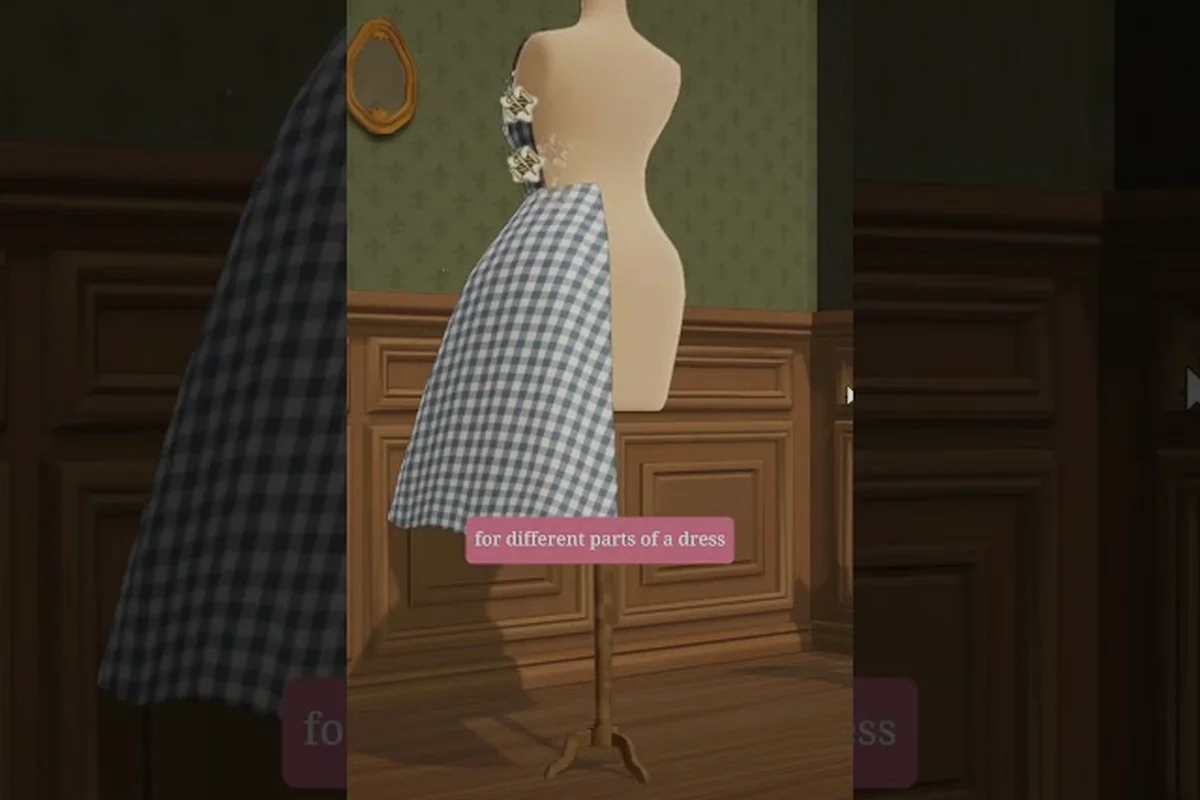
Picking the wrong material in Dressmaker can sink an otherwise perfect commission, because each customer reacts to fabric choice as strongly as they do to color. The full Dressmaker all fabrics list currently runs to five named bolts — cotton, linen, wool, silk, and velvet — and the right pick depends on the season, the occasion, and the personality of the customer sitting in your shop. This guide lines every fabric up side by side so you can match cloth to character, read the price ladder, and plan your next restock without wasting a shift.
Cotton, Linen, Wool, Silk, and Velvet Explained
The Dressmaker Steam store page names exactly five fabrics in the official copy: cotton, linen, wool, silk, and velvet. Each one sits at a clear rung of a five-tier ladder, and each tier changes which occasions the fabric can serve and which customers will admire — or quietly reject — a dress cut from it. The table below is a quick scan of the whole lineup before we dig into each cloth.
| Fabric | Tier | Typical Best Use | Customer Mood |
|---|---|---|---|
| Cotton | 1 — Starter | Casual day dresses, summer pieces, everyday commissions | Friendly, relaxed |
| Linen | 2 — Everyday | Warm-weather casualwear, work outfits, picnic looks | Calm, approachable |
| Wool | 3 — Practical | Cooler seasons, layered outfits, traveling cloaks | Sturdy, grounded |
| Silk | 4 — Formal | Evening events, wedding guest looks, gala commissions | Refined, romantic |
| Velvet | 5 — Premium | Royal gowns, special-occasion pieces, statement designs | Luxurious, dramatic |
That five-row ladder is the spine of every build decision in the game, because the tier tells you both the price and the social ceiling the dress will reach. If you want a deeper look at when to splurge, the Dressmaker best fabric guide walks through how the unlock order and tier cost shape your mid-game economy.
Cotton — The Starter Workhorse
Cotton is the first bolt every new player meets, and it stays useful far longer than most newcomers expect. It is the cheapest material in the lineup, which means early commissions built from cotton keep your shop solvent while you learn the sewing machine timing. Cotton works best for casual day dresses, light summer pieces, and the relaxed everyday commissions that flood the shop in the opening week of play.
Cotton is also the safest match when a customer walks in with an unclear brief, because the customers who like cotton tend to be friendly and forgiving. A clean cotton dress in the customer's preferred color almost never scores a complaint, which makes the material a low-risk training ground for sketching, cutting, and feeding panels through the sewing machine.
Linen — The Warm-Weather Mid-Tier
Linen sits one rung above cotton and behaves like a slightly more polished version of it. The fabric breathes well, looks crisp in lighter colorways, and reads as "approachable" to the kind of customer who would happily accept cotton but appreciates the upgrade. Linen is the right pick for warm-weather casualwear, light work outfits, and picnic or market-day designs where the dress needs to look put together without feeling formal.
Linen also gives you a small margin bump on commissions that cotton could technically satisfy, which is useful in the early-to-mid game when every coin counts. If a returning customer loved a cotton piece last visit, offering the same cut in linen is a reliable way to nudge their satisfaction meter up by one tick without changing the silhouette.
Wool — The Practical All-Season Choice
Wool is where the lineup starts to feel grown-up. The fabric carries visible weight, suits layered designs, and reads as a serious, grounded choice to customers who care about warmth and structure. Wool is the natural answer for cooler-season commissions, traveling outfits, and any dress that needs a long-sleeved or wrapped silhouette to feel right.
Wool also unlocks darker colorways that cotton and linen cannot match, which matters when a customer's fashion taste leans moody or autumnal. The downside is price — wool sits in the practical-premium band, so it is not the fabric to burn on speculative commissions. A good rule of thumb is to save wool for repeat customers whose preferences you already know, rather than gambling on a first-time visitor.
Silk — The Formal Romance
Silk is the first true "special occasion" fabric in the lineup, and the Dressmaker silk fabric option is the one that quietly defines the mid-game wedding and gala season. Silk reads as romantic, refined, and slightly formal, which means it is almost always the right pick for evening-event commissions, wedding guest looks, and any dress that needs a soft sheen on the mannequin preview.
Because silk costs more than cotton, linen, or wool, the smart play is to reserve it for commissions where the customer has specifically asked for a dressy piece. A silk dress on a casual daywear commission feels overdrawn and can confuse the customer's reaction, while a cotton dress at a formal event will simply underwhelm. Matching tier to occasion is the most reliable rule in the whole fabric list.
Velvet — The Premium Statement
Velvet is the top of the ladder, and the Dressmaker velvet fabric option is reserved for the most dramatic commissions in the game. Velvet carries visible weight, depth, and a soft pile that reads as luxurious on the mannequin, which makes it the natural answer for royal gowns, awards-night pieces, and any commission where the customer is clearly asking for a statement.
Velvet is also the fabric most likely to make or break a high-stakes commission, because the customers who request it tend to have strong opinions about color and cut. If the velvet piece lands, the satisfaction bonus is large; if it misses, the customer remembers. Treat velvet as a finishing tool for the late game, not a daily-driver material, and you will avoid the most expensive kind of mistake in Dressmaker.
Reading the Price and Occasion Ladder
The Dressmaker all fabrics list is also a price ladder, and the price gap between rungs is steep enough that a single wrong commission can cost you half a day's earnings. The table below lines the five fabrics up against the kind of occasion each one was clearly designed for, so you can scan a commission card and pick a tier in seconds.
| Fabric | Approx. Price Band | Best Occasion Types | Worst Occasion Types |
|---|---|---|---|
| Cotton | Lowest | Casual days, summer, picnics | Royal galas, winter evenings |
| Linen | Low-mid | Work outings, market days, warm weather | Formal evenings, royal events |
| Wool | Mid | Cooler days, travel, layered looks | High-heat summer events |
| Silk | High | Weddings, evening galas, anniversaries | Muddy market days, manual work |
| Velvet | Highest | Royal commissions, statement pieces, galas | Casual errands, sporty commissions |
The price band is approximate and based on the cost gap visible in the in-game shop and the official store copy; the exact number shifts with patches and special offers, so treat it as a guide rather than a fixed price. For a fuller breakdown of how to budget mid-game, the Dressmaker cotton starter fabric tier list pairs nicely with the price ladder above and covers when it is worth stretching into silk or velvet.
Matching Fabric to Customer Personality
Every customer in Dressmaker reacts to fabric choice as part of their satisfaction score, which is why two dresses with identical cuts can score wildly differently based on the bolt underneath. The five named fabrics map cleanly to five customer attitudes, and learning the map is the fastest way to stop guessing and start scoring reliable five-star commissions.
Casual, Approachable Customers
The casual customer cluster is the largest in the early game, and these visitors almost always want cotton or linen. They walk in with daywear commissions, picnics, market days, and simple work outfits, and they react warmly to soft, breathable fabrics in lighter colors. Building these commissions from cotton or linen keeps costs low and satisfaction high, which is exactly the loop you want while you are still learning the sewing machine timing.
If you want a deeper map of who shows up in your shop and what each customer tends to prefer, the Dressmaker all customers list breaks the cast into recurring and one-time visitors and notes their general fashion tastes.
Practical, All-Season Customers
Practical customers are the visitors who show up with layered designs, traveling outfits, and cooler-season commissions, and they almost always want wool. Wool carries visible weight, reads as grounded and sturdy, and pairs well with the darker, richer colorways that practical customers tend to gravitate toward. A clean wool piece on a practical customer is a reliable way to convert a mid-tier commission into a strong satisfaction score.
Romantic, Formal Customers
Romantic customers are the visitors who ask for evening pieces, wedding guest looks, and special-occasion gowns, and they almost always want silk or velvet. Silk is the better pick for soft, romantic commissions where the sheen should whisper, while velvet is the better pick for dramatic, royal-style commissions where the dress should announce itself. The split between silk and velvet inside the formal cluster is the most important fabric decision in the game.
How to Restock Without Wasting a Shift
Restocking fabric is one of the easiest parts of the game to get wrong, because each tier takes a different amount of shop time to refresh, and every commission burns through at least one bolt. The simplest rule is to keep cotton and linen stocked at all times, because they cover the largest share of everyday commissions and recover the fastest. Wool can sit at a moderate stock, silk should be ordered only when a formal commission is on the books, and velvet should be treated as a finishing tool rather than a shelf staple.
| Fabric | Restock priority | Stocking strategy | Notes for restocking |
|---|---|---|---|
| Cotton | Keep fully stocked at all times | Highest turnover, fastest recovery | Covers the largest share of everyday commissions |
| Linen | Keep fully stocked at all times | Pair with cotton for casual commissions | Recovers quickly, substitute for cotton on returning customers |
| Wool | Maintain a moderate buffer | Steady mid-tier demand | Slower refresh than cotton/linen, avoid over-ordering |
| Silk | Order only on confirmed formal commissions | Just-in-time stocking | Slow tier refresh, do not let sit idle between commissions |
| Velvet | Treat as a finishing tool, not a staple | Order per royal commission only | Highest tier, risks rotting on the shelf if stocked blindly |
The full Dressmaker fabric restock guide goes deeper into the inventory math, including when to switch from cotton to linen on a returning customer and how to keep your velvet supply from rotting on the shelf between royal commissions.
Frequently Asked Questions
How many fabrics are in the Dressmaker all fabrics list?
There are five named fabrics in the official Dressmaker fabric list: cotton, linen, wool, silk, and velvet. Each one sits at a different tier and matches a different customer mood, with cotton at the everyday base and velvet at the formal top.
What is the best starter fabric in Dressmaker?
Cotton is the best starter fabric because it is the cheapest, easiest to work with, and matches the largest share of early-game casual commissions. Once you have built a small cash buffer, linen is the natural next step because it costs only slightly more and scores better on warm-weather repeat customers.
When should I use silk instead of wool in Dressmaker?
Use silk when the commission is a formal evening piece, a wedding guest look, or a romantic anniversary dress, because silk carries the soft sheen that those occasions call for. Wool is the better pick for cooler-season, layered, or travel-leaning commissions where warmth and structure matter more than sheen.
Is velvet worth the cost in Dressmaker?
Velvet is worth the cost when the commission is a royal gown, a statement piece, or a high-stakes special-occasion design where the customer has clearly asked for a dramatic fabric. For everyday commissions, velvet is overkill and tends to drain your shop budget without lifting the satisfaction score.
Can I switch fabric mid-commission in Dressmaker?
You can swap fabric as long as the new bolt is in stock and the dress has not yet been sewn together on the mannequin. Once the panels have been fed through the sewing machine, the fabric choice is locked for that piece, so it pays to confirm the customer's mood and the occasion before you cut the first panel.